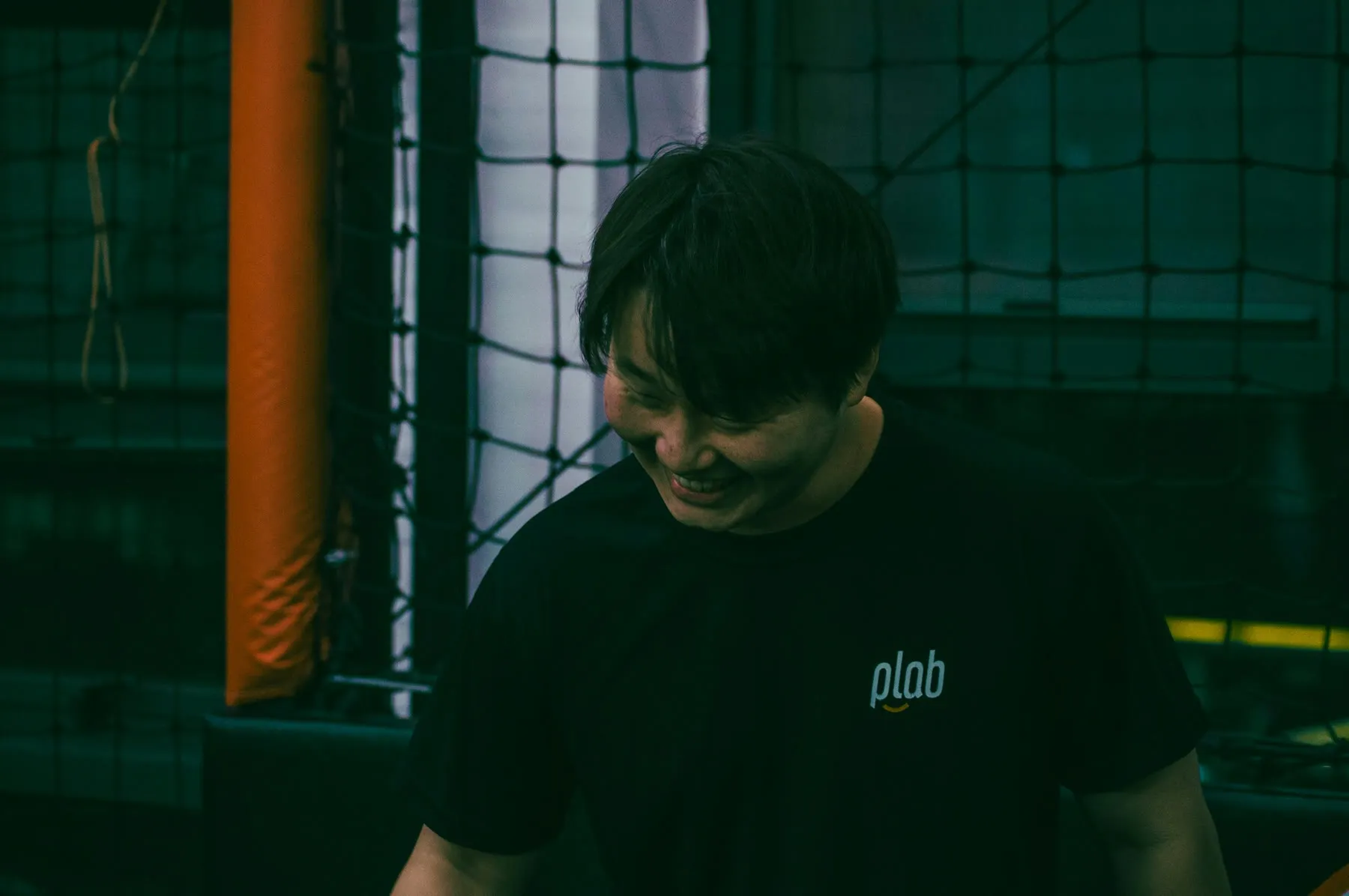
Junyoung Kim
I’m a hardware UX designer. I work on the part of a product that happens off the screen.
Right now I lead the UX part of the Robot Design Team at XYZ Inc.
Two searches
I wandered out of mechanical engineering into UX, then wandered around UX until I found hardware. I wasn’t even sure a hardware UX job existed, so I had to build my own criteria as I went. Here’s how it went: flush left means I was on track, pushed right means I was lost. Pick a node to see what happened.
Mechanical system design engineering, Hongik
I started in mechanical engineering, not design.
Back as an alumMilitary service, then time off
Seven years to finish the degree, with military service and then time off. The whole time I was working out what I wanted to do.
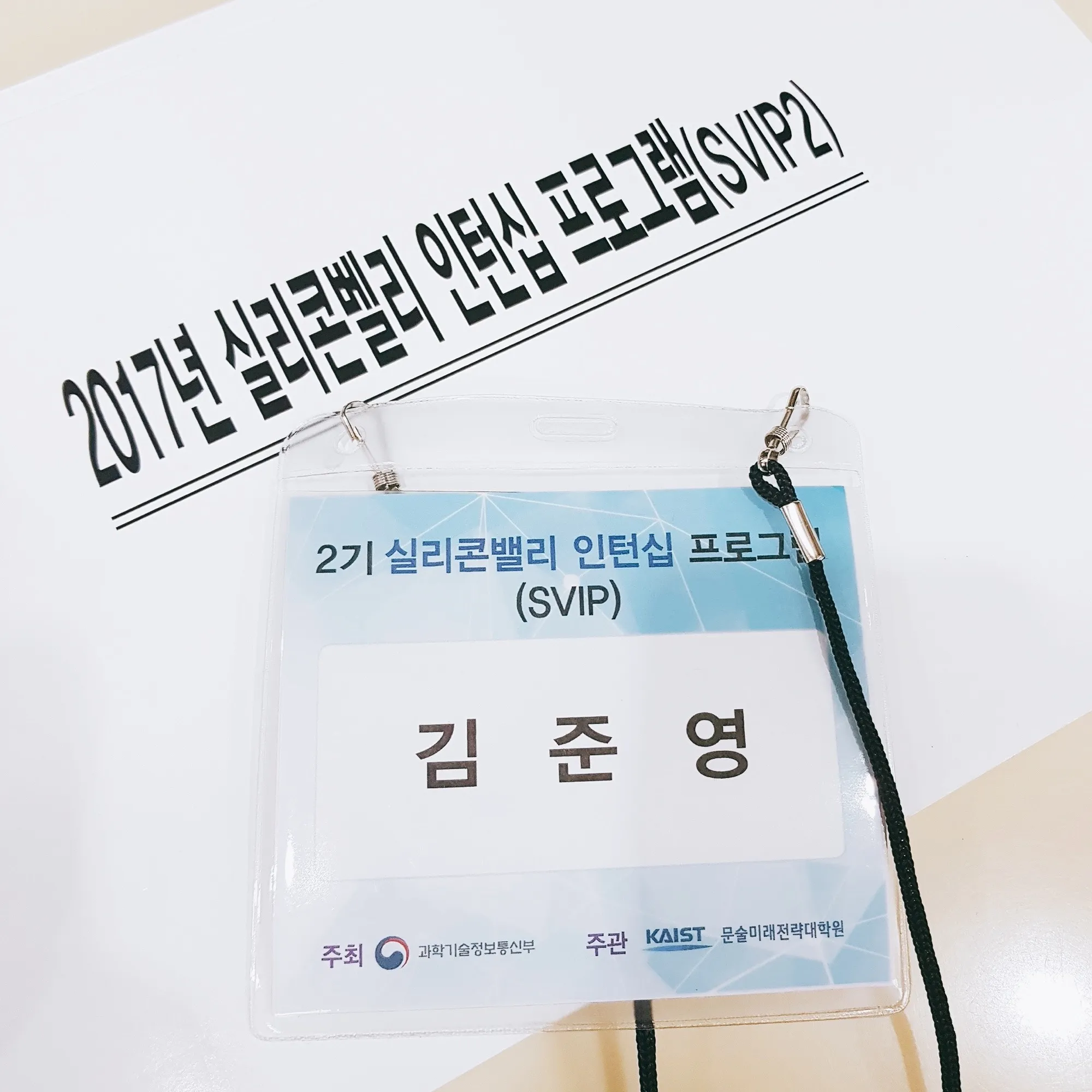
Picked for SVIP
A Silicon Valley internship program run by the Ministry of Science and KAIST. Two months of training, then one of twelve picked.
SVIP activityInternviewZIBOT, California
Went as an intern and worked as a design engineer. Took the concept for a US-market educational robot and showed it at CES 2019.
ZIBOT caseInternview videos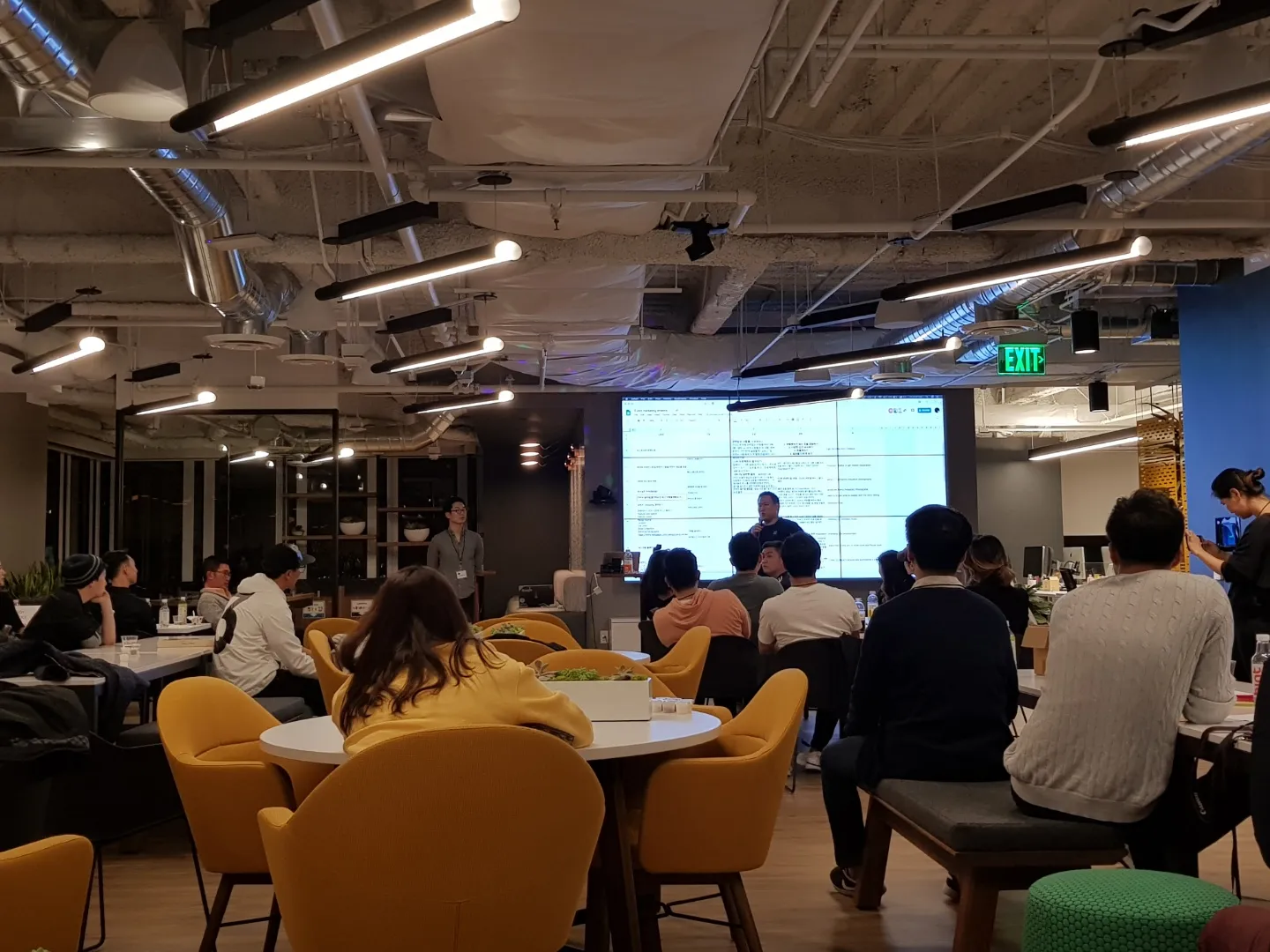
“No clear definition anywhere”
I went around asking designers in Silicon Valley what hardware UX was. Nobody had an answer, so I wrote a definition on my blog myself.
The April 2018 post“I worked that out late”
A month later I realised the people to ask were product designers, not UX designers. I had a direction but no idea what the next step was.
The May 2018 postMaster’s at UNIST
Built Meemo, which won an HCI Korea Creative Award, and handled prototyping and the user study on ADIO. This is where I learned to make something and put it in someone’s hands.
Meemo caseADIO caseADIO in the newsBirdy, the DINO club
A paper-based messaging device for older adults and their families, field-tested with six families for three weeks. I was also in DINO, a prototyping club.
Birdy caseDINO activity“Two depressing years of grad school”
I wrote a retrospective when I graduated: half a trip to the south coast, half the previous two years.
The Brunch retrospectiveJoined Dot Inc.
I wanted hardware UX badly enough to reach out myself. I took on the Dot Pad tactile display and the Dot Canvas authoring tool.
Dot Canvas caseWritten on joiningIN THIS WORK interview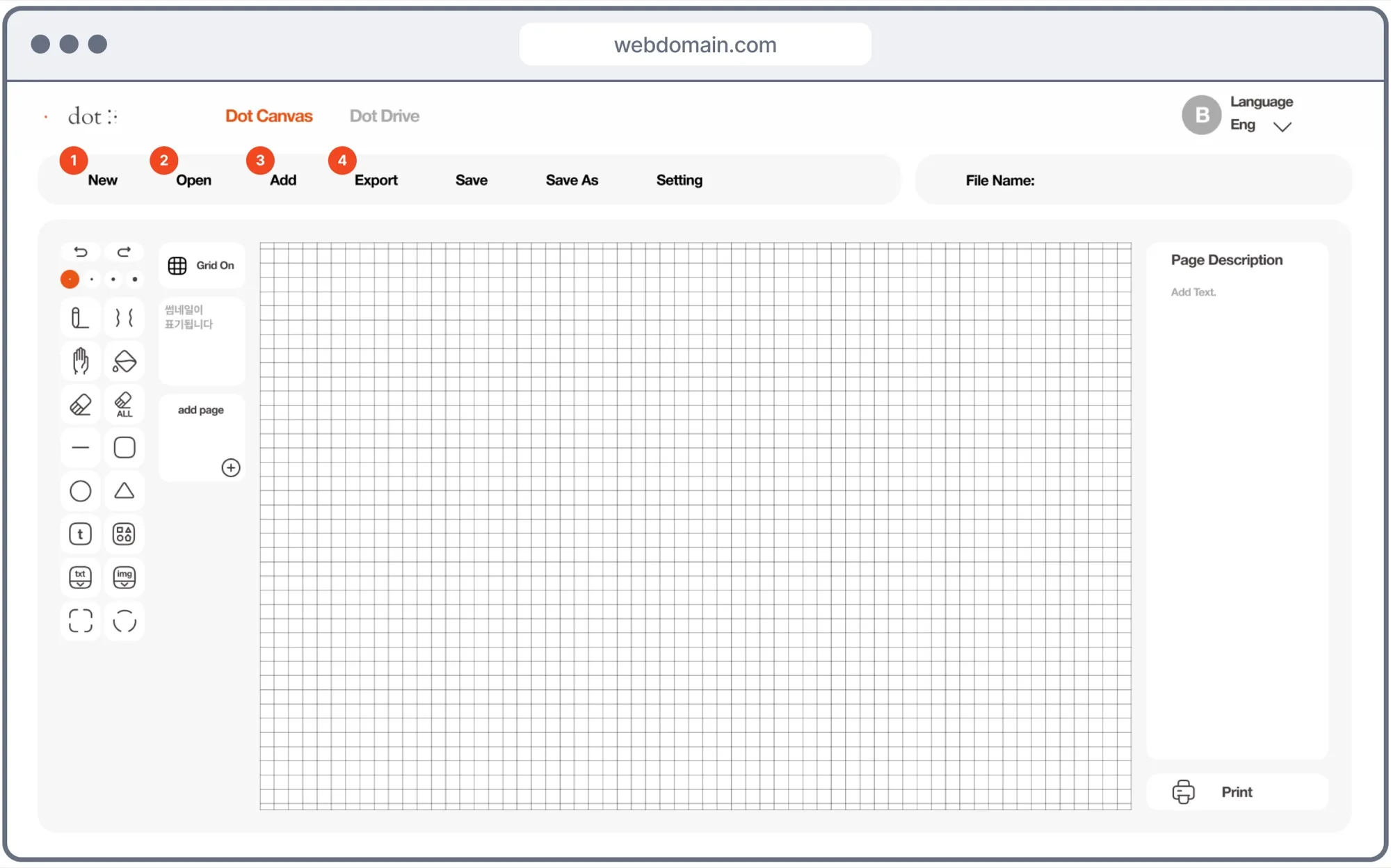
The first year was web and app work
I joined as a hardware UX designer, but the first year was planning and designing the web and app services Dot Pad needed.
Looking back on that first year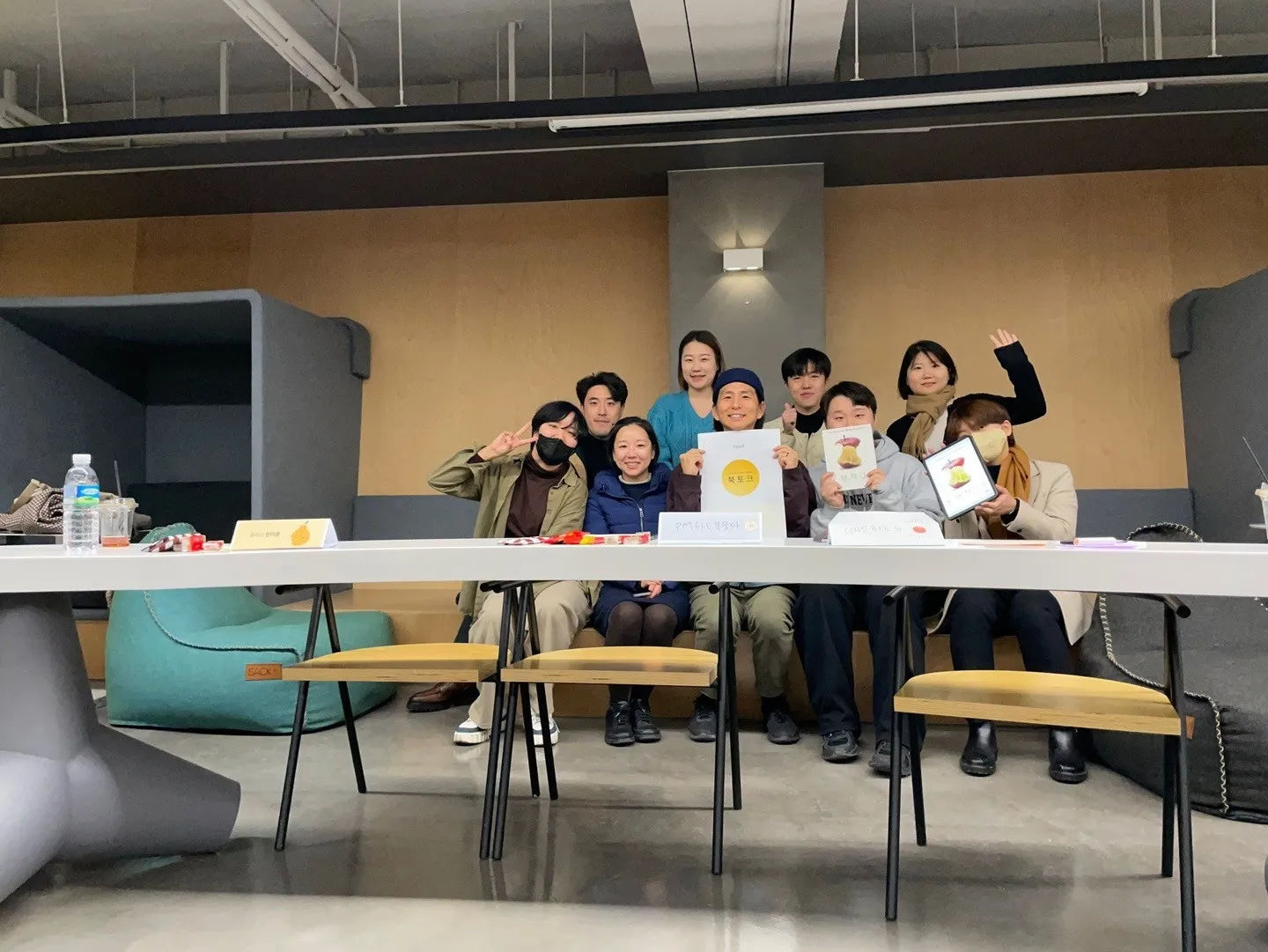
Collected articles, then people
Alone got me nowhere, so I collected articles and shared them. A book club started from the people who replied, and I ran UXeed for two years.
UXeed activityThe article round-upThe book-study call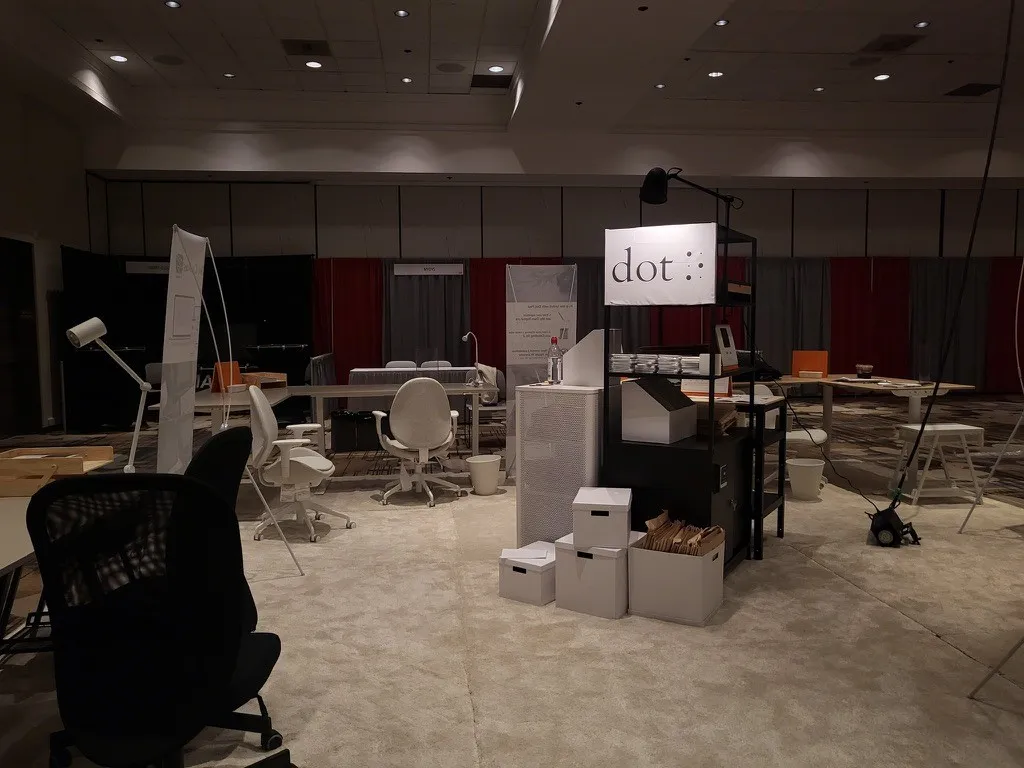
CES award, founded The Architects
Dot Canvas won a CES 2024 Innovation Award in accessibility. The same year I co-founded The Architects, a hardware UX community.
The Architects activityThe robot-UX book studyCSUN 2023“Which UX ______ do I want to be?”
The conclusion of a talk at the Wanted Online UX Conference. I decided to fill the blank with hardware.
Written after the talkThe talk announcementJoined XYZ Inc.
Designed BarisBrew’s customer and operator UX as one system across the kiosk, app, voice ordering, and back office, and the state feedback for the Storagy AMR.
BarisBrew caseStoragy caseLeaving DotDEUX, RBMS, UX Lead
HRI for the semi-humanoid DEUX, and RBMS, the system that watches robots and building equipment on one screen. Now UX Lead on the Robot Design Team.
DEUX caseRBMS caseOne year inHardware UX
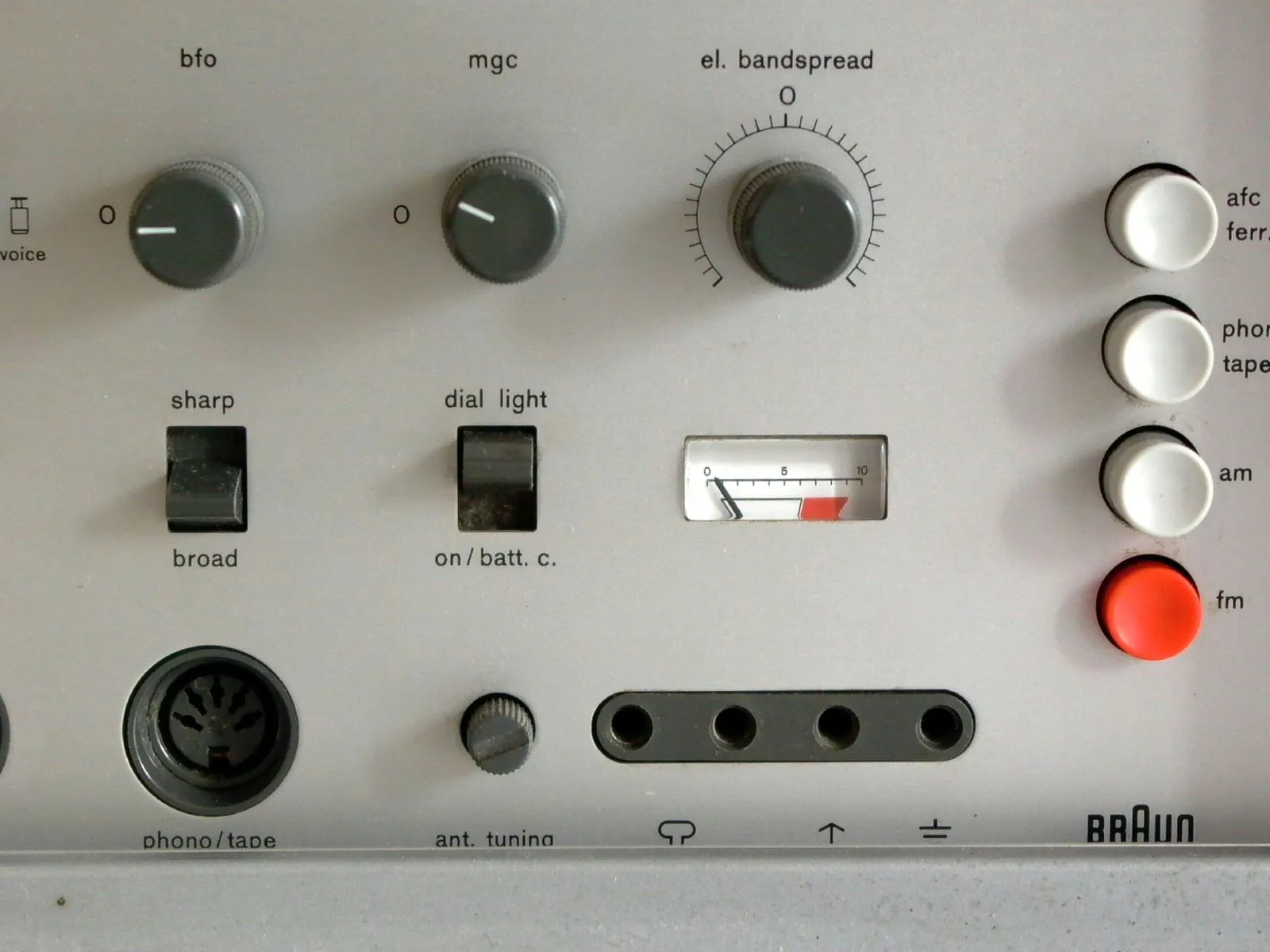
Braun T1000CD. Photo Nite_Owl, CC BY-SA 2.0
Honestly, I still can’t put hardware UX into one sentence. What I do instead is rewrite it whenever my thinking changes.
In April 2018, still an undergrad, after a designers’ meetup in Silicon Valley, the first version I wrote on my blog was “Hardware User Experience : Experience from out of screen.” No matter how much I searched, nothing came up, so I made one up myself. The same post also says what it is not: engineering design for better performance, or aesthetic design for a better look.
For a few years after that I didn’t get much further. Then in February 2024, reading a book on robot UX with The Architects book study, I wrote this in my notes.
A product is constantly sending the user some message. That message can be a screen, but it can also be a vibration, an LED, or a change in form.
After writing that, “off the screen” read differently. It wasn’t about avoiding screens. It was closer to saying a product has many ways to talk to people besides the screen. After that my job got a bit clearer: decide what state the product is in, then decide which channel carries it.
That’s actually how I work now. On Storagy I split the robot’s states in two. System states like booting, warning, and battery have to be read by an operator from across the room, so they go to an LED strip under the body and to sound. Operational states like idle, driving, and docking are read by the person standing in front of the robot, so they show up as the face on the front display. On DEUX the rule is a single line: eyes and voice carry emotion and intent; sound is only for system signals that are awkward to say out loud.
Of course, a lot of what I wrote as a student, before any real work, didn’t hold up. Back then I thought hardware couldn’t be fixed after launch, but robot HRI turned out to be a design you keep fixing while it runs. The ideal flow of idle, move, and arrive fits in six facial expressions. The hard part turned out to be everything else: what the robot should show when it meets an obstacle, or when nobody collects the delivery. That never got settled in one pass, and we’re still filling it in on site, one case at a time.
I have also chosen the screen. On Birdy we looked at a thermal printer that would put messages on paper, and picked a display instead. Short messages need order and context at a glance, and reloading paper would have been one more barrier for older users. Being wary of screens doesn’t mean never using one. Telling when a screen is right is part of my job too.
So in the 2025 talk at the Wanted Online UX Conference I answered that it is the user experience of digital products with physical presence: physical user interface, physical interaction, prototyping and physical computing, industrial design. Those four are exactly what the robot work is.
Preparing that talk, I also boiled down a question I’d been holding onto for years: UX is not a role but a perspective and a posture. It is an eye for the user’s context, a sense for finding problems and asking about them, and the habit of considering every touchpoint. What follows it is a blank, the skill each person brings to the experience, and my blank is hardware. The full slide deck is on LinkedIn.
The answer got a little firmer over seven years, but it’s still just today’s answer, and I’m still wandering. The criteria shift a little with every product I make.
What I want to make
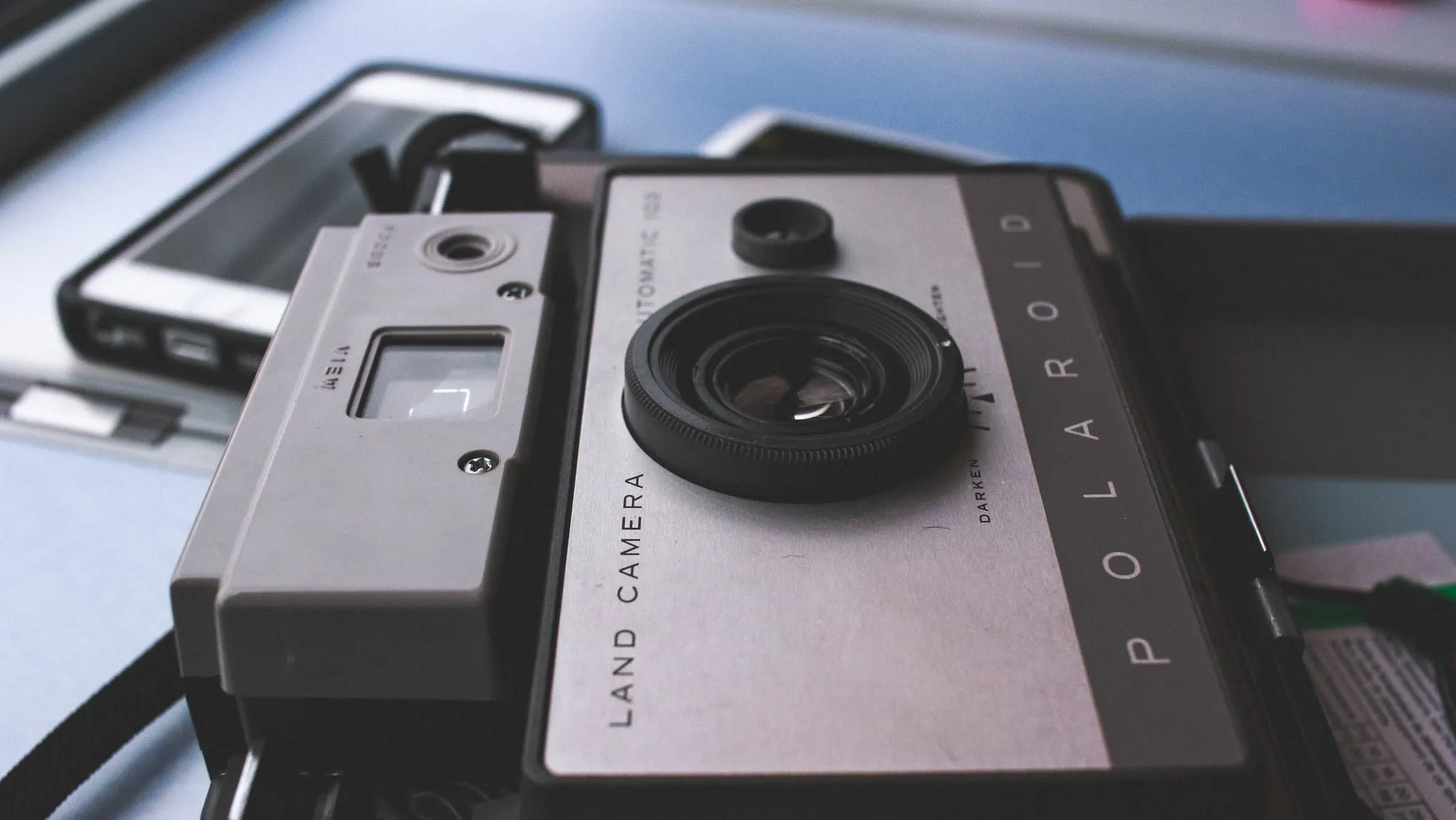
I want to make products that stay with people as memories.
When I think of a Polaroid, the photo isn’t the first thing that comes to mind. It’s the sound of the film pushing out, the wait for the image to appear, the feel of holding it while you waited. In the end, I think what stays with you is what you went through while using the thing.
That’s why I’m drawn to products with varied physical interaction. Pressing, turning, sliding, and touching each get remembered differently.
For the same reason, I’m a little wary of treating screens as the answer to everything. Move it to a screen and most functions still work. But in that moment the senses involved shrink to your eyes and fingertips. Sometimes a screen really is the answer. I just wish it weren’t the default from the start.
Looking back, most of what I’ve made has gone this way: Meemo, a handwritten paper note; ADIO, an audiobook with touch in it; Birdy, a message sent on paper. Each was an attempt to bring physical value back into a digital world, and that was close to what I want to do.
Also