PROBLEM
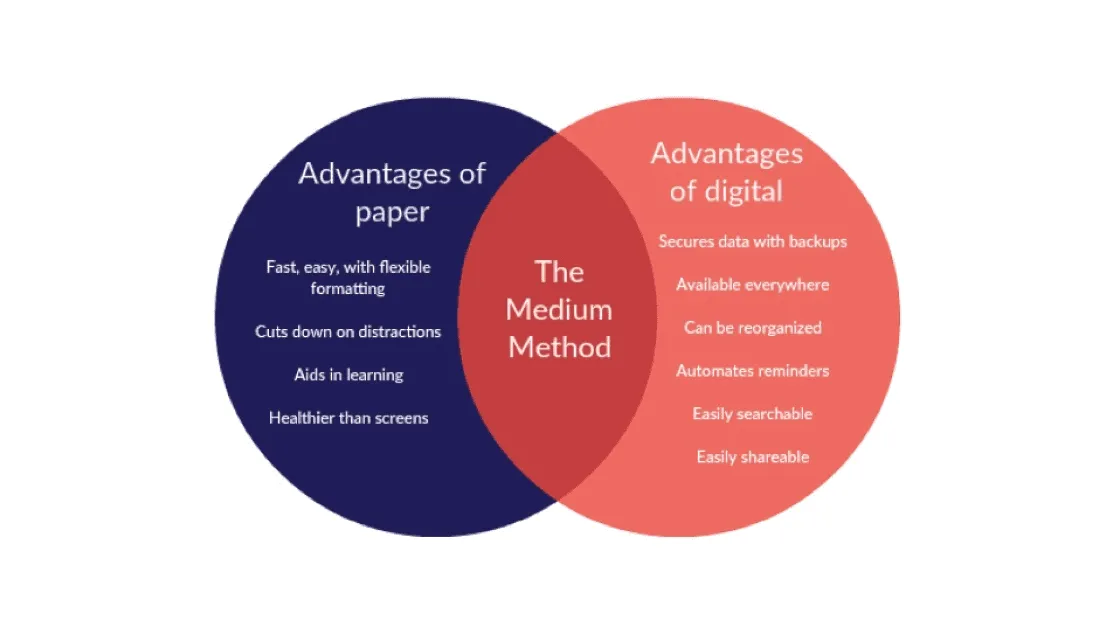
Analog notes are good for capturing ideas because you can write without being tied to a format, but they are hard to organize and to keep for the long term. Digital notes, on the other hand, give you storage and search but narrow the range of expression.
Many people use both at once, which weakens the consistency of how information is kept and makes search harder. What is needed is a way to have the freedom of analog notes and the order of digital ones together.
APPROACH
To get past the limits of the analog system and the digital one, I designed an integrated system that joins the way analog notes are written to the storage and search of digital ones.
Designing a system that links analog and digital: Through user interviews and research, I analyzed how people use analog and digital notes. That confirmed the need for a medium to carry notes made in the physical world into the digital one, so I designed a way to connect the two environments without changing existing note-taking habits.
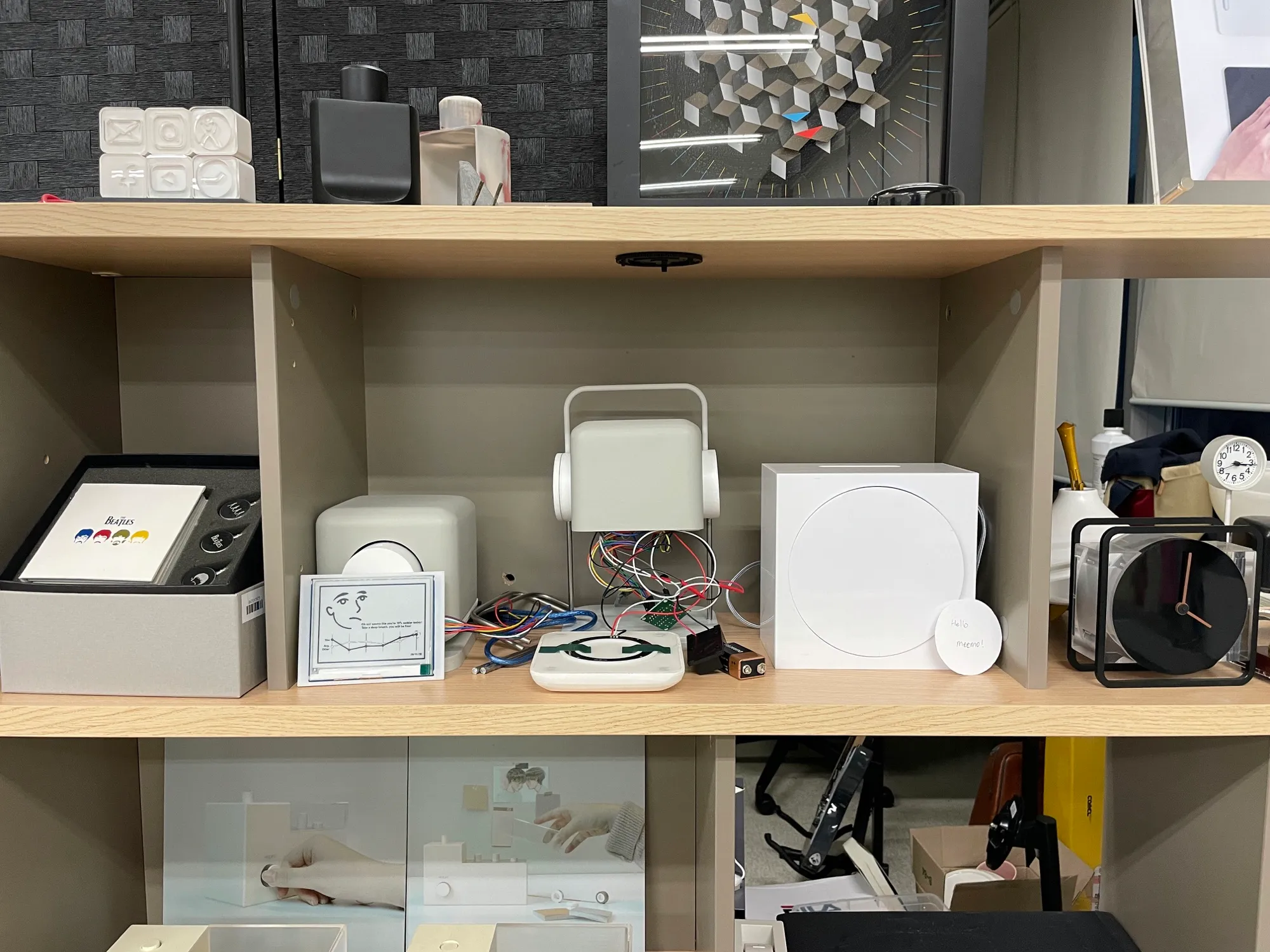
Building Meemo: On that design I built Meemo. Real-time conversion of paper notes into digital sits at the center, so the writing environment of paper stays as it is while the search and management convenience of digital notes comes with it.
SOLUTION
Meemo
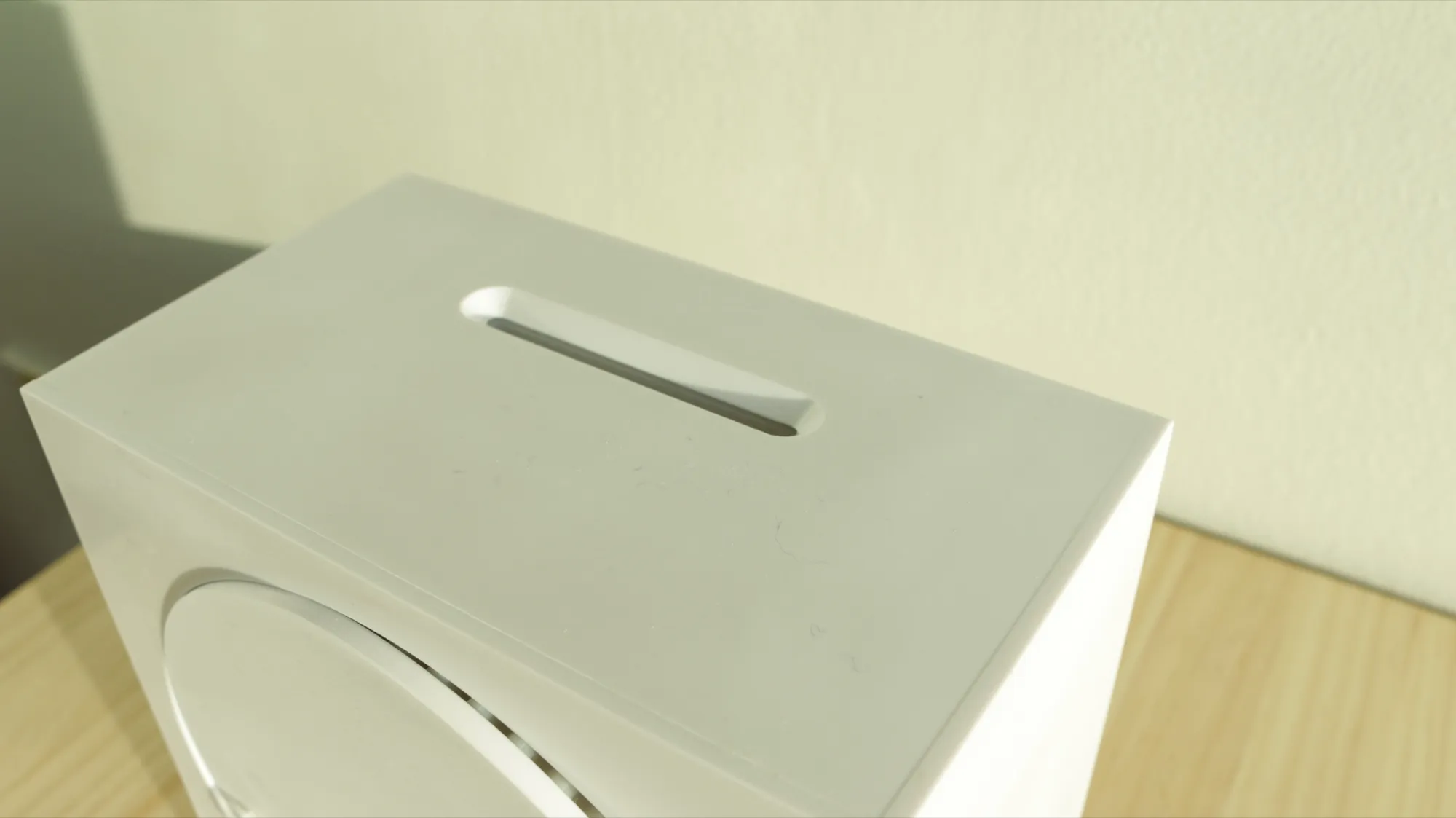
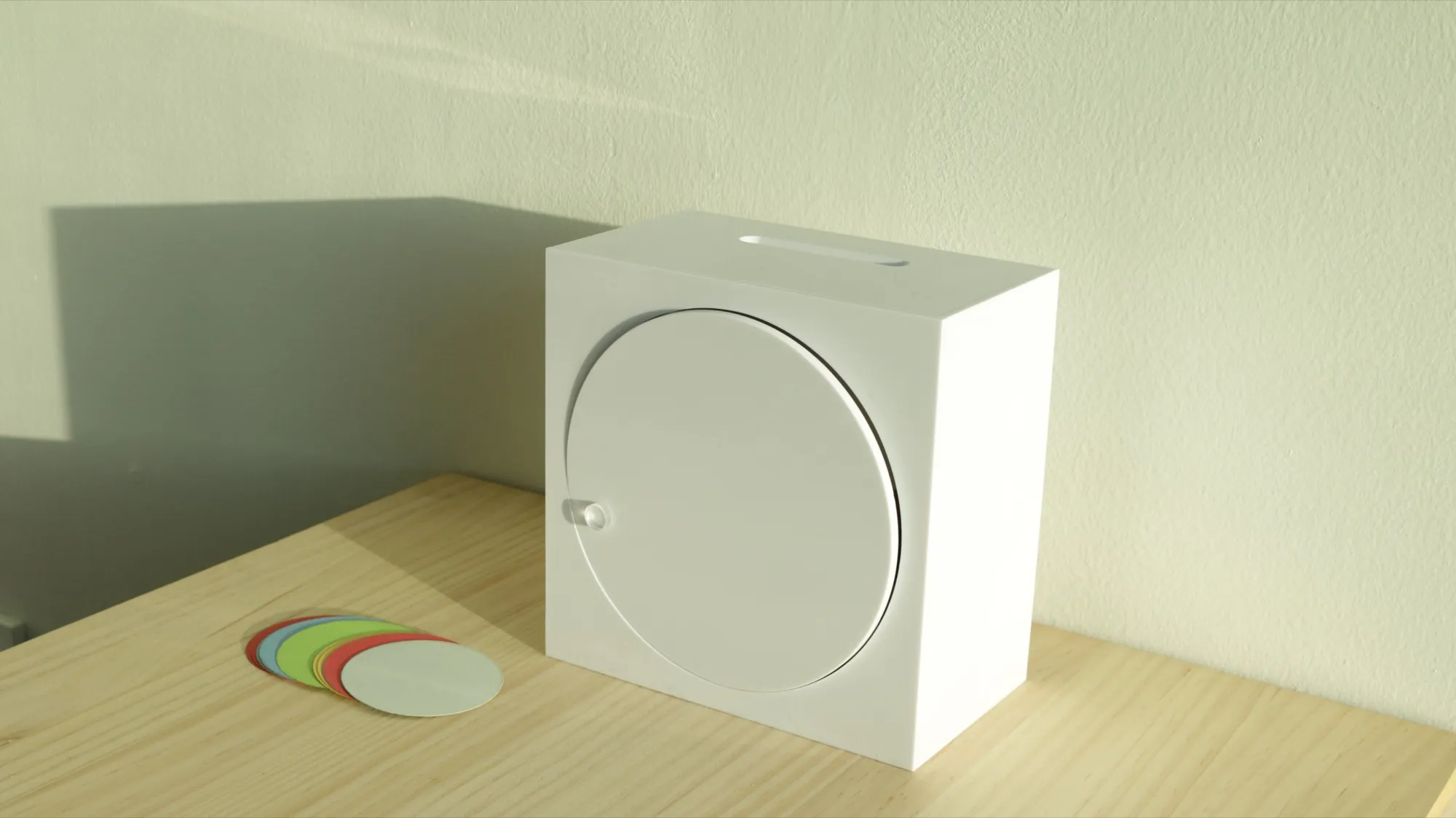
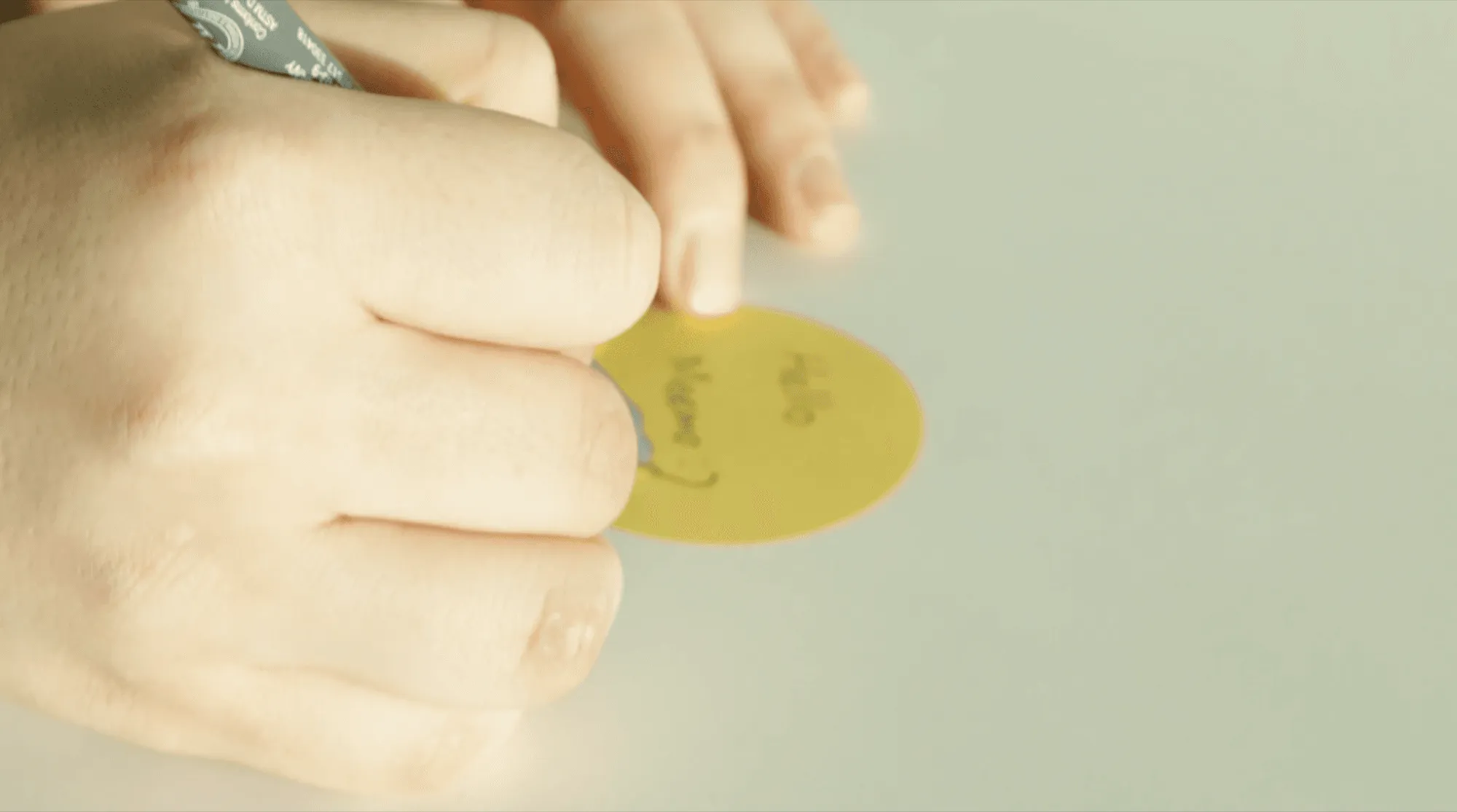
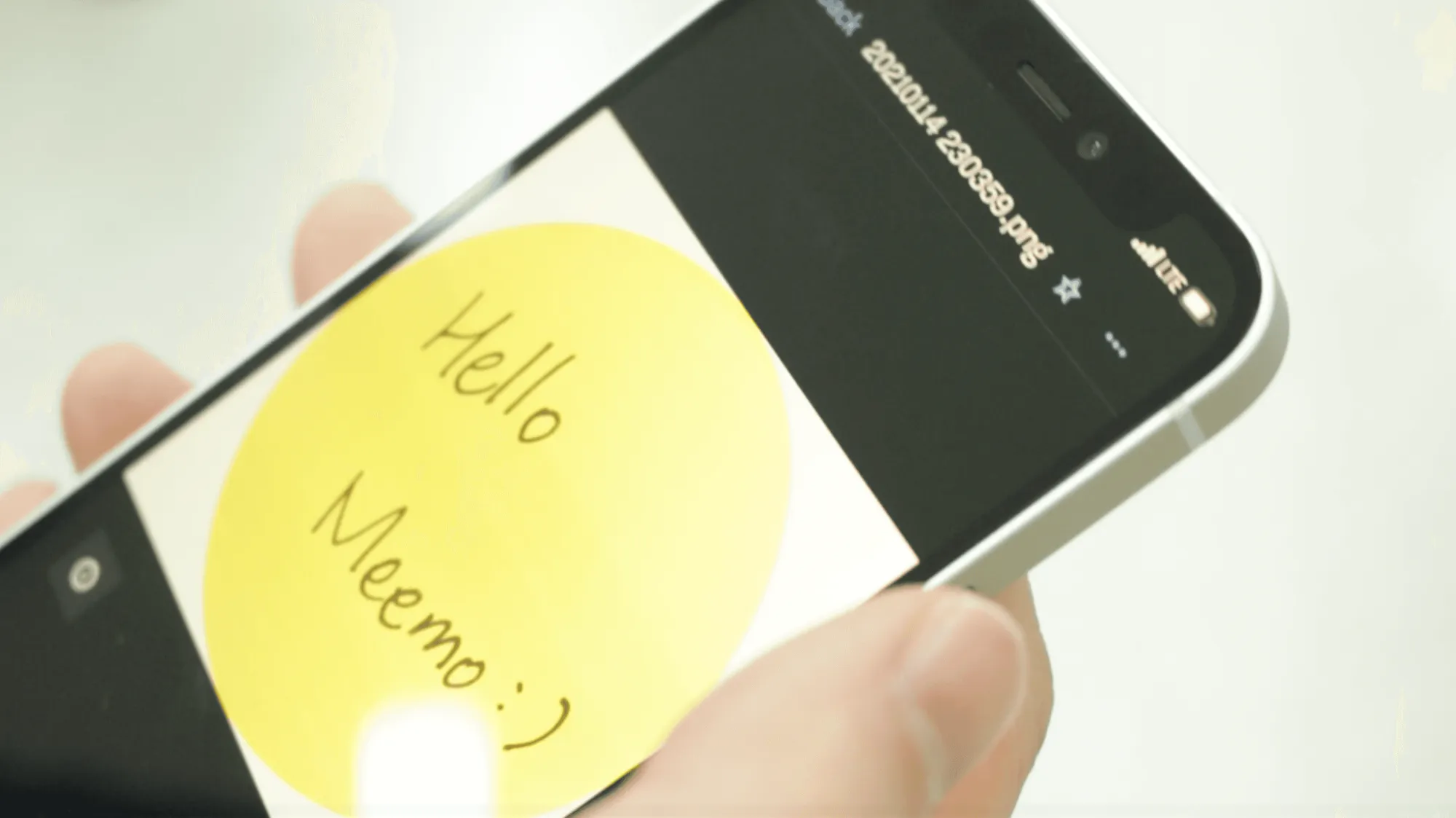
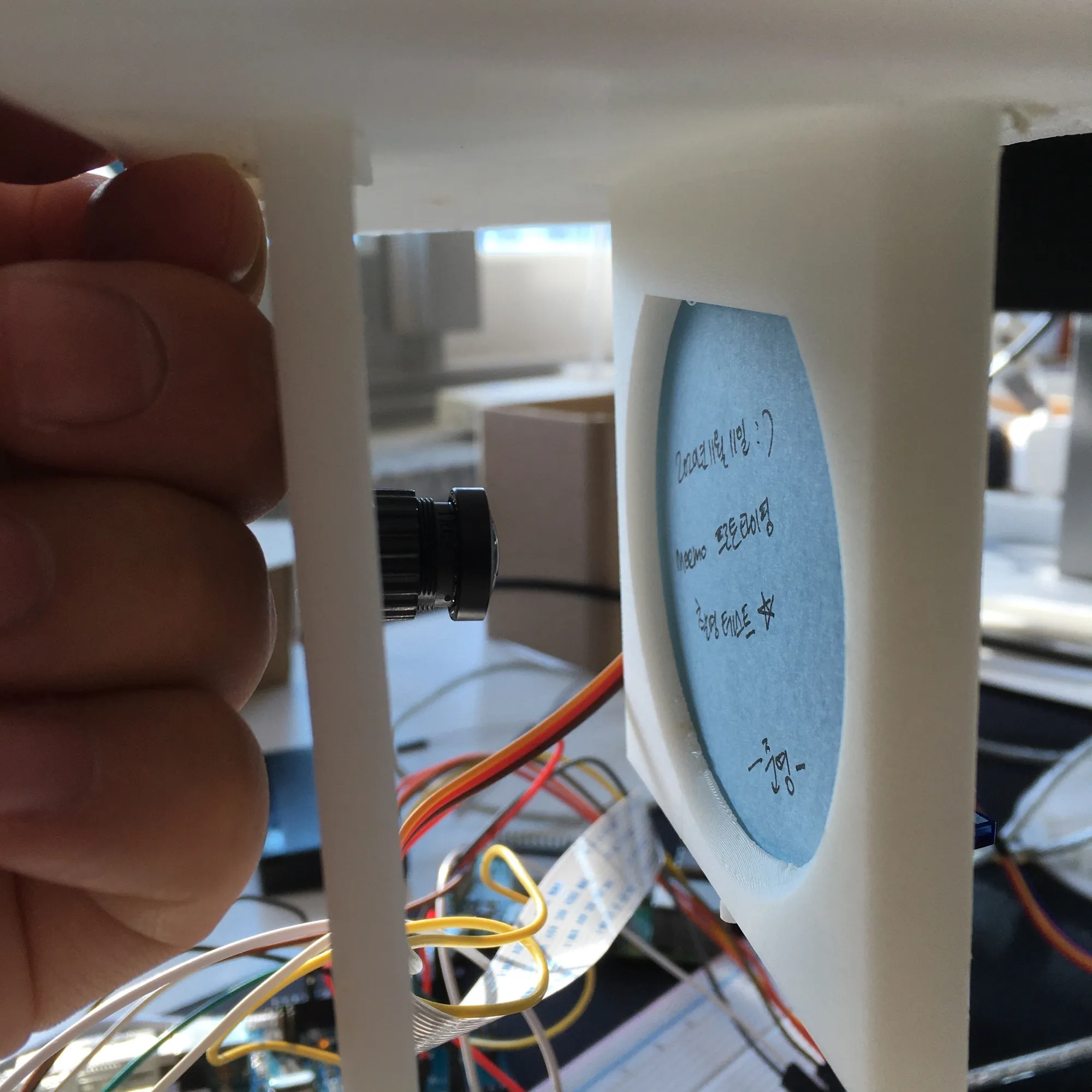
Instant cloud upload and digitization: When a user puts a handwritten paper note into the device, Meemo converts it to a digital image and uploads it to the cloud (Dropbox) right away. Writing stays on paper, while the note becomes searchable in the digital environment and usable on other devices.
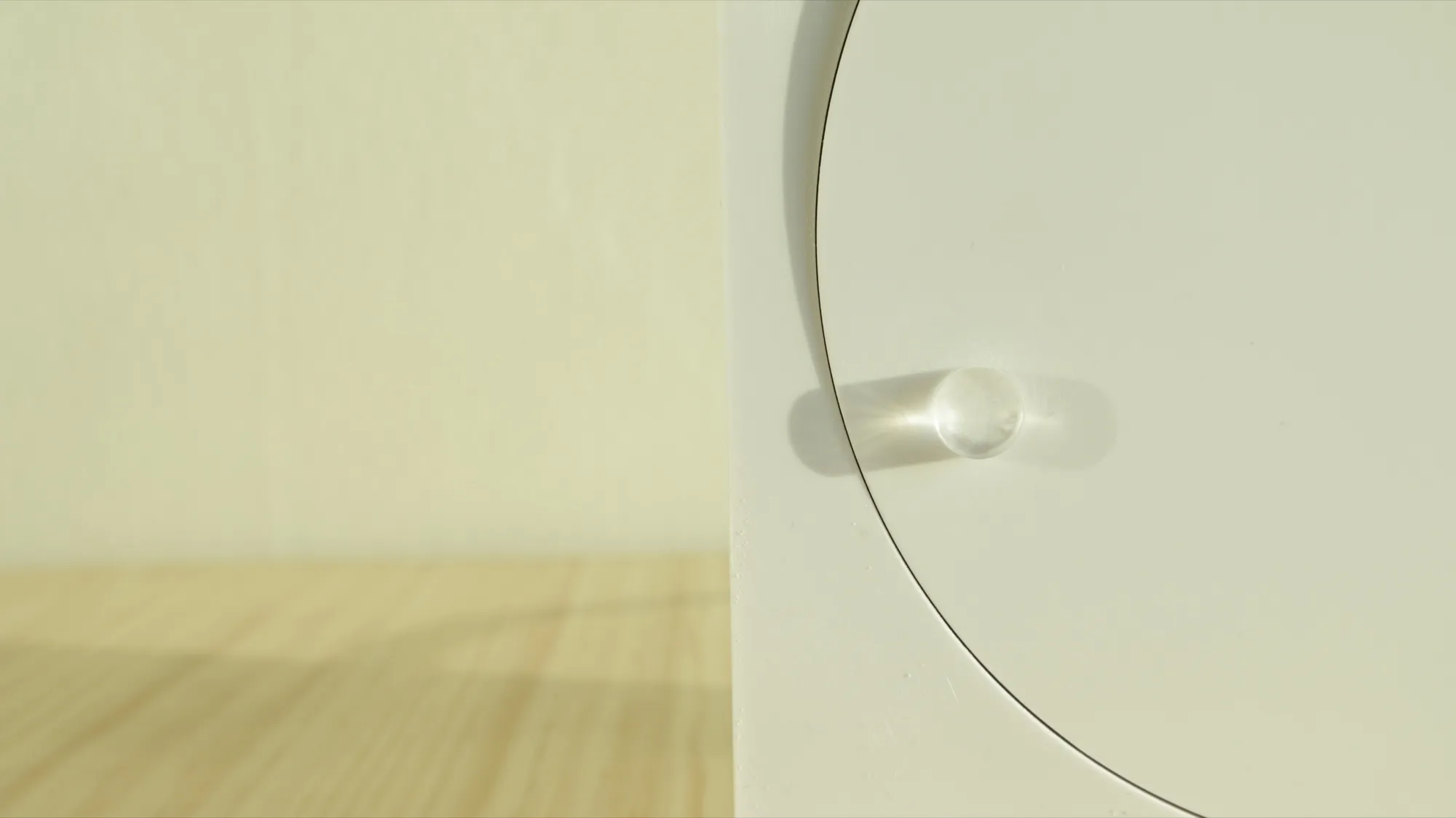
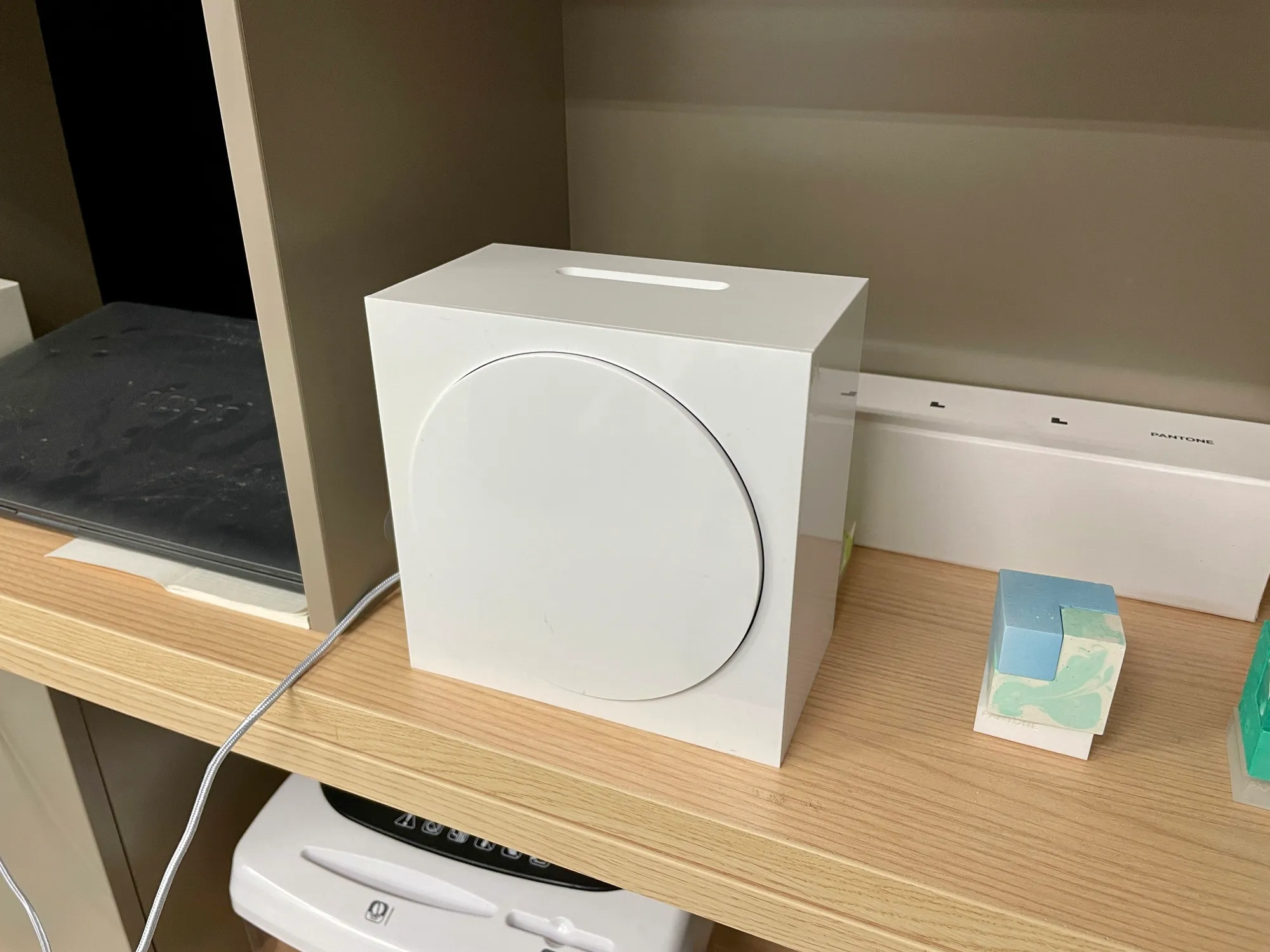
Rotating-disc feedback: While an upload runs, the disc on the front face rotates, giving visual and physical feedback. The movement lets the user read the upload status, and adds a small pleasure to writing a note.
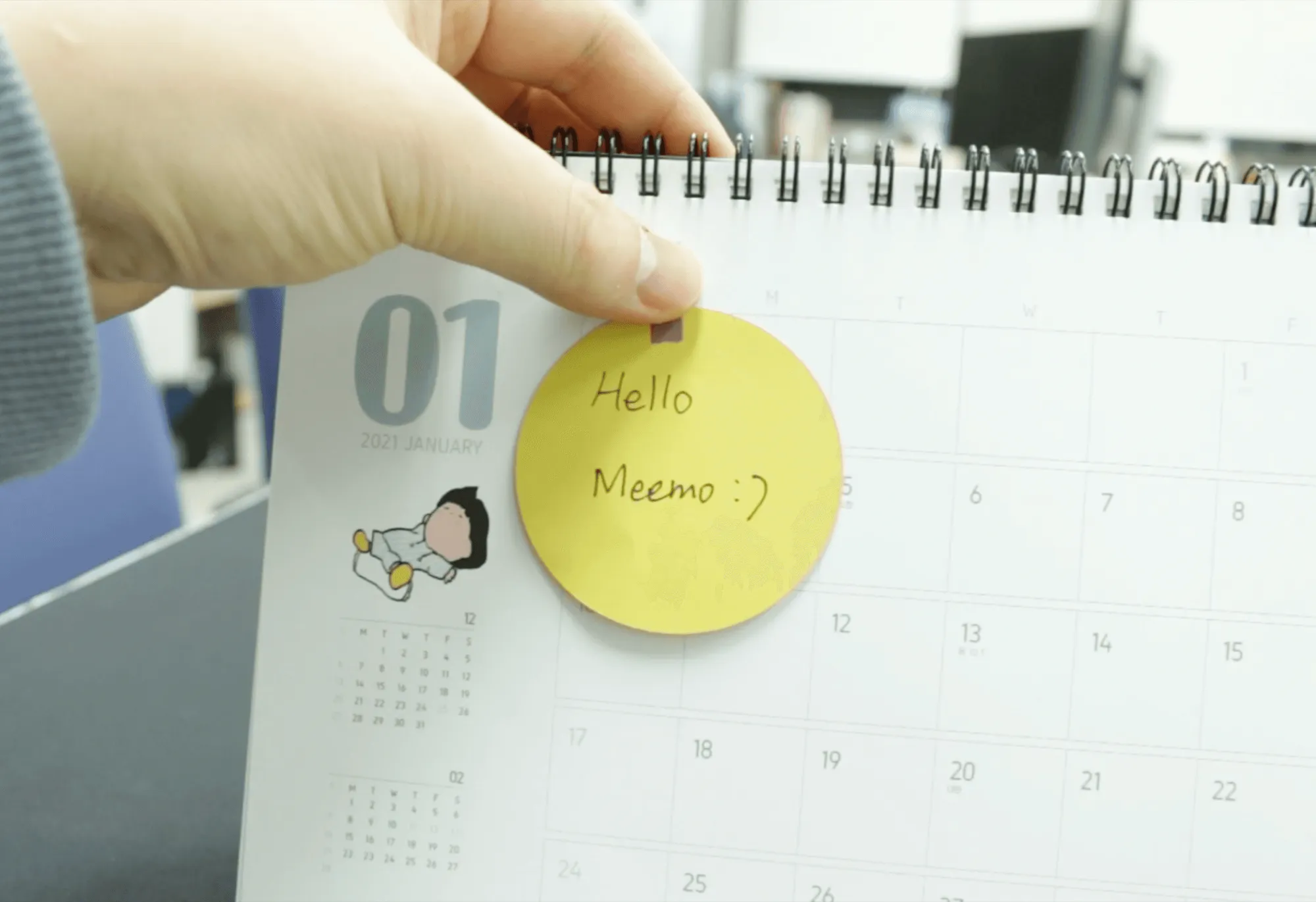
Input and output that bridge analog and digital: Insert a note and it is digitized; when the work is done the note comes back out to be used again or filed away. The process moves a note into the digital environment without breaking the analog workflow.
IMPLEMENTATION
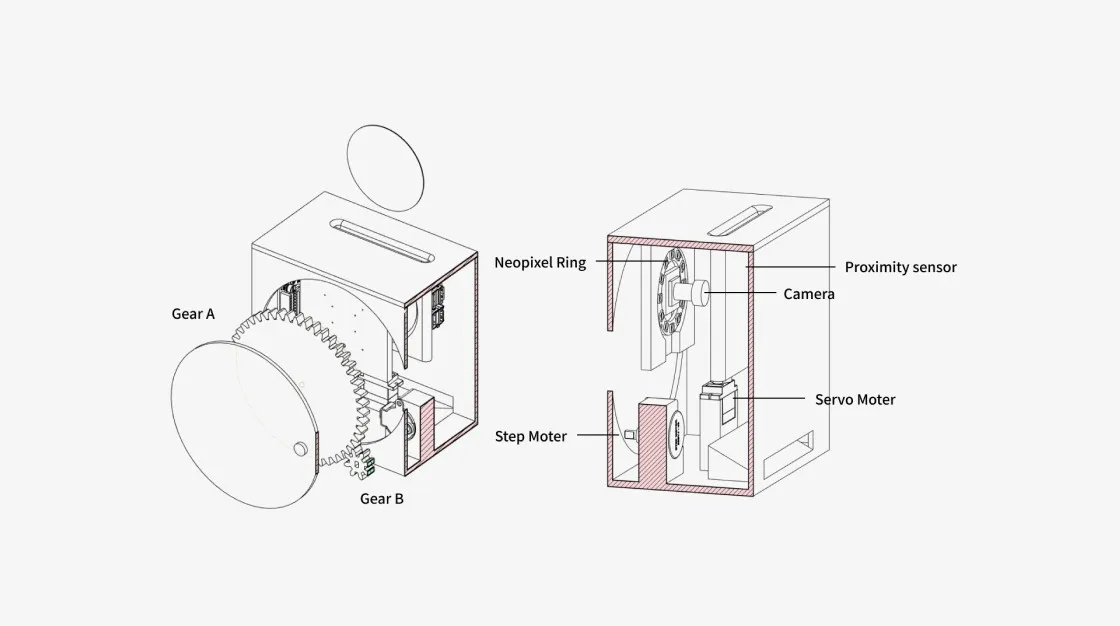
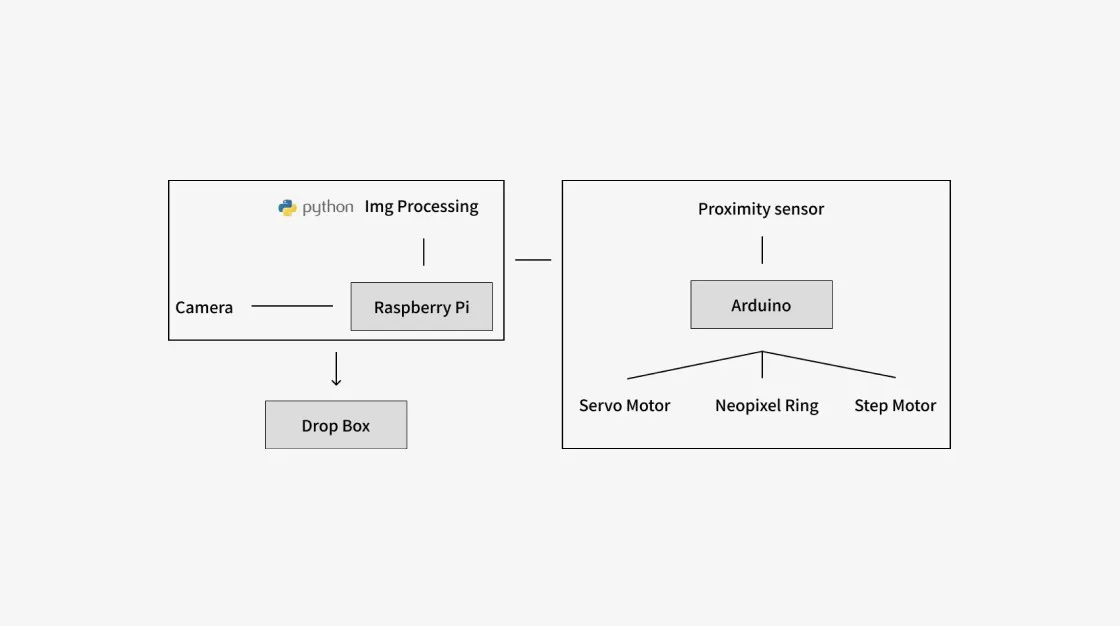
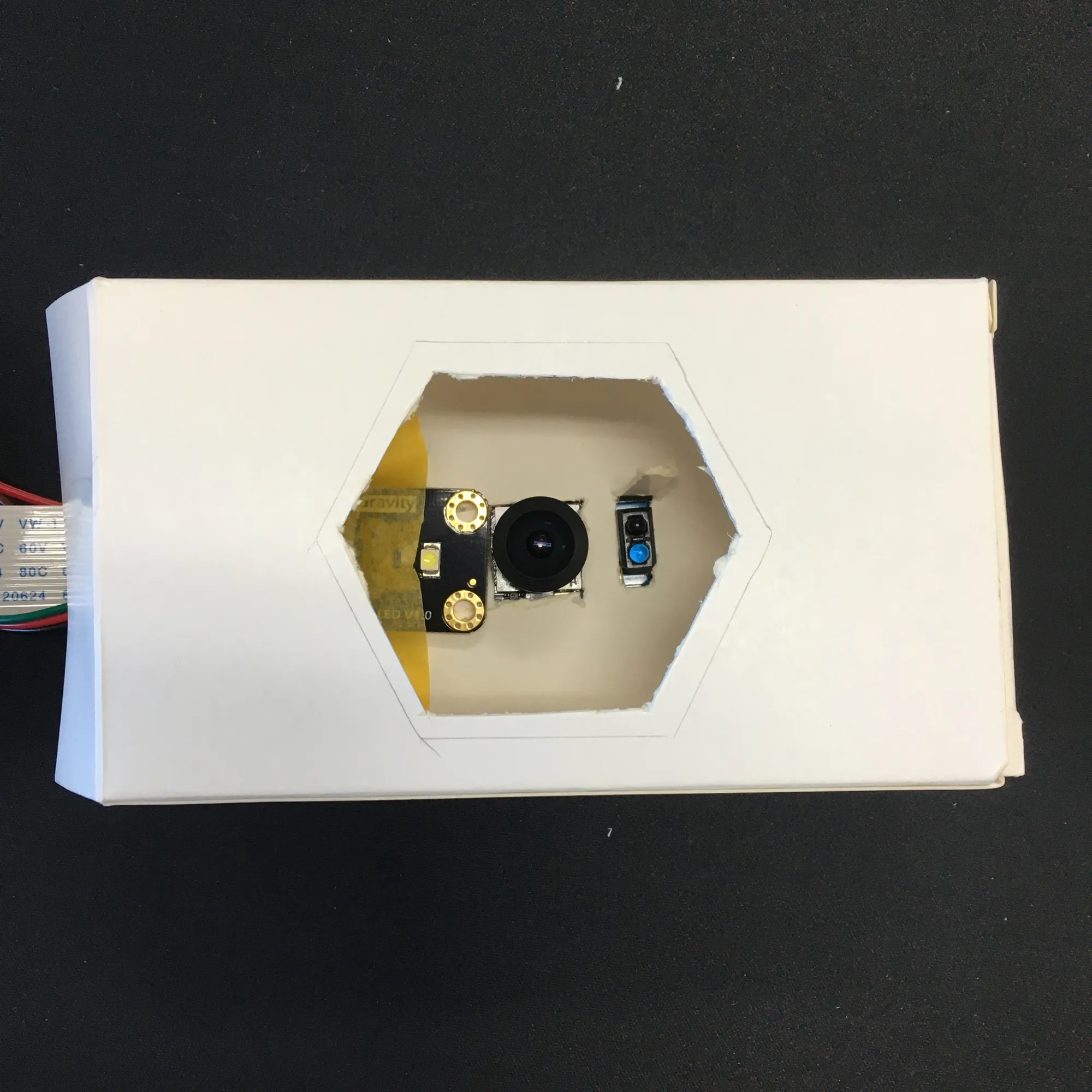
Building the physical interaction: To realize the physical interaction, I built the system on Arduino. When a user inserts paper, an infrared sensor detects it and a servo motor moves it along, and a DC motor turns the disc to show upload progress. This physical interaction was what carried the analog experience into the digital environment.
Cloud integration and application development: To implement cloud storage, I built a data communication system linking a Raspberry Pi and Arduino. A camera module captures the paper note, and the Dropbox API uploads the image to the cloud.
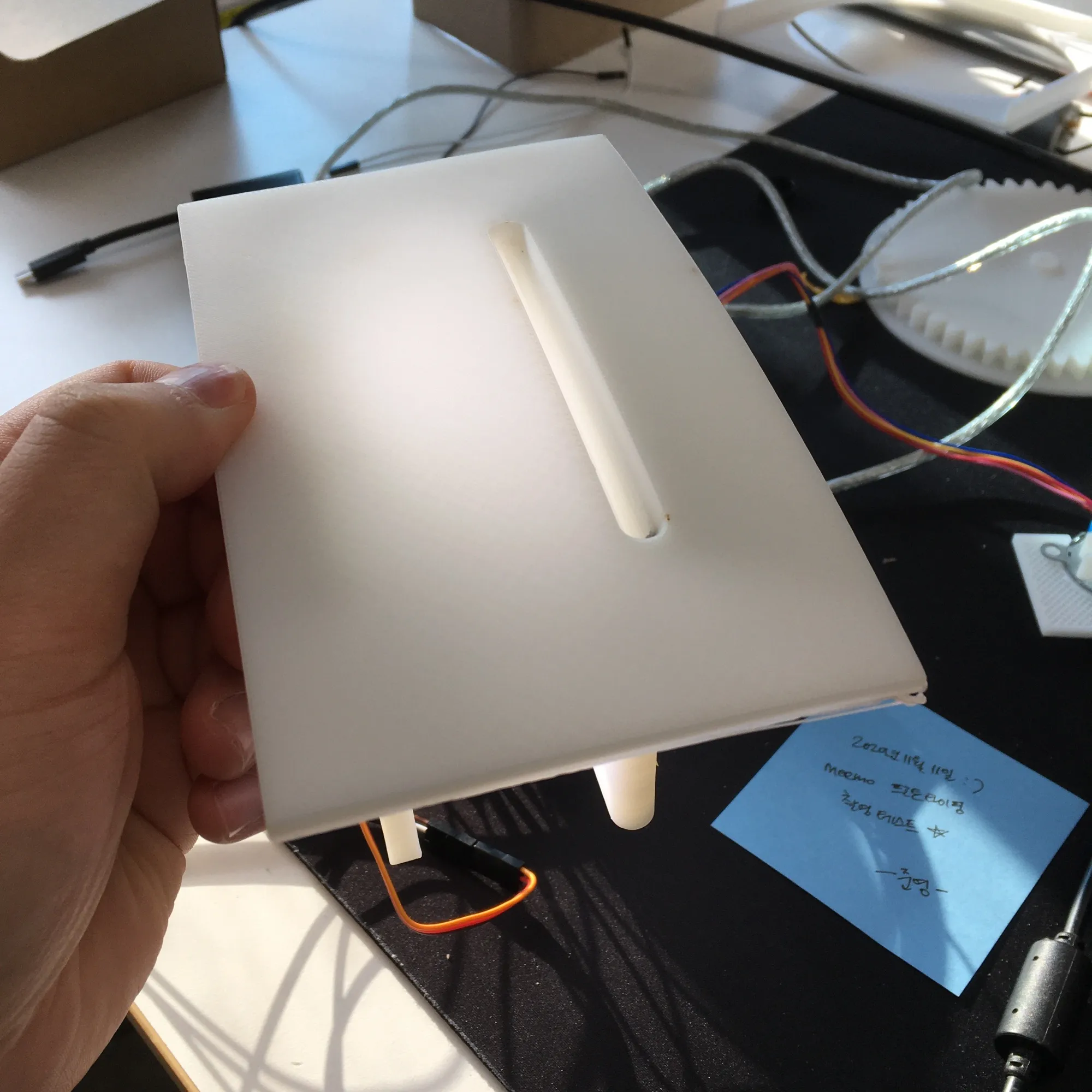
Product design and mockup fabrication: The exterior and structure were modeled in 3D with Fusion 360. The outer shell was CNC machined and the internal structural parts were 3D printed, designed for easy assembly and maintenance. Meemo came together as a prototype with a physical interface and a working structure.
IMPACT
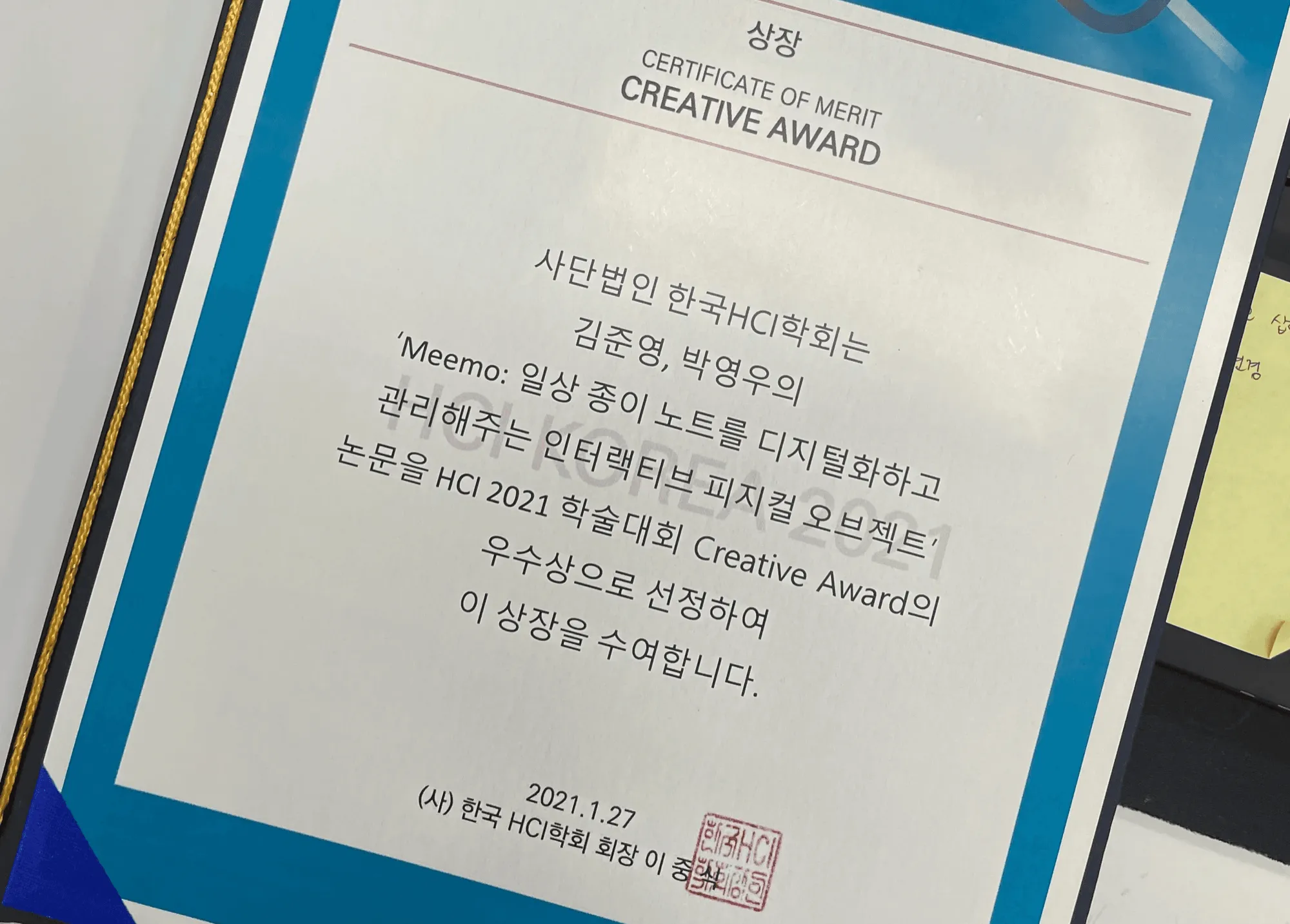
Meemo received the Excellence Award at the HCI Korea Creative Award.
It was presented at the HCI Korea 2021 conference and published in the proceedings. The paper covers physical computing techniques such as infrared sensors and motor systems, along with the design of a user-centered note management interface.
REFLECTION
Turning imagination into something real is as tangled and unpredictable as untangling a knot of string.
Meemo was the first time I took an idea of my own all the way to a product. Connecting a paper notebook to digital technology ran into technical obstacles I had not expected. Paper thickness, stiffness, and even corner shape all mattered: paper that was too thin would not feed, and square corners caught inside the device. I burned a PCB and redid the same work because of design mistakes, and it took trial and error to settle the paper’s material and shape. I asked specialists for help when I needed it and improved the technology and the structural design, and I handled technical integration with Arduino and Raspberry Pi, internal structural design, and mockup fabrication with 3D printing and CNC machining myself.
The project was more than product development; it was a challenge that sharpened both technical skill and creative thinking. I learned that an idea that looks easy in your head turns, once you build it for real, into a long run of complicated and unpredictable problem-solving — much like untangling a knot of string.